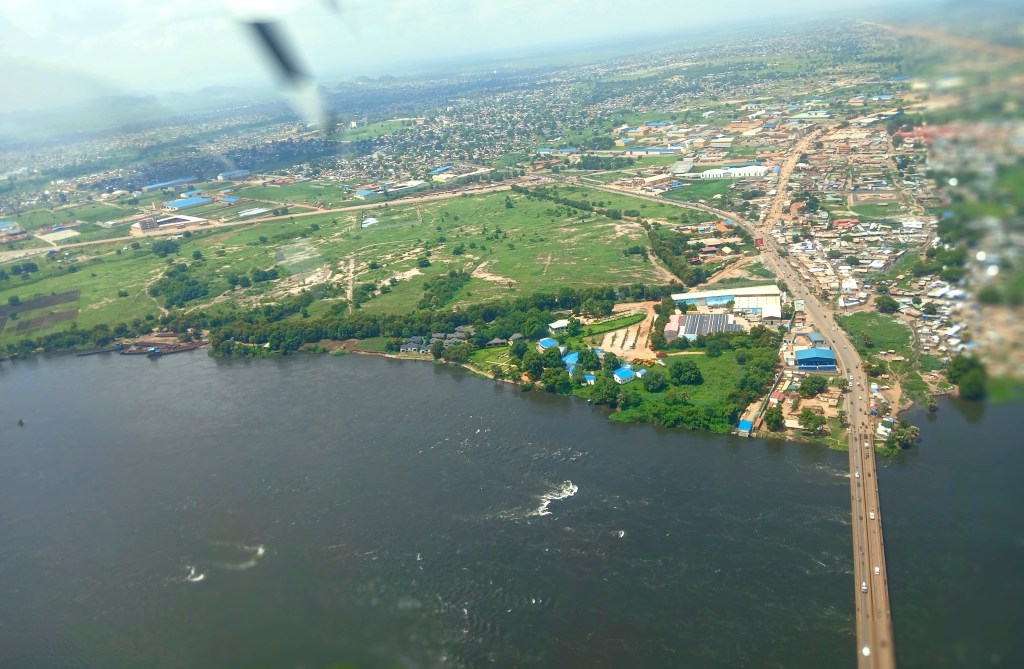
Have you ever heard of a city nicknamed “Sunny Town”? Well, let me introduce you to Juba, the capital city of South Sudan, the last born of Africa. And like many last borns, it tends to give a high fever to its parents and siblings.
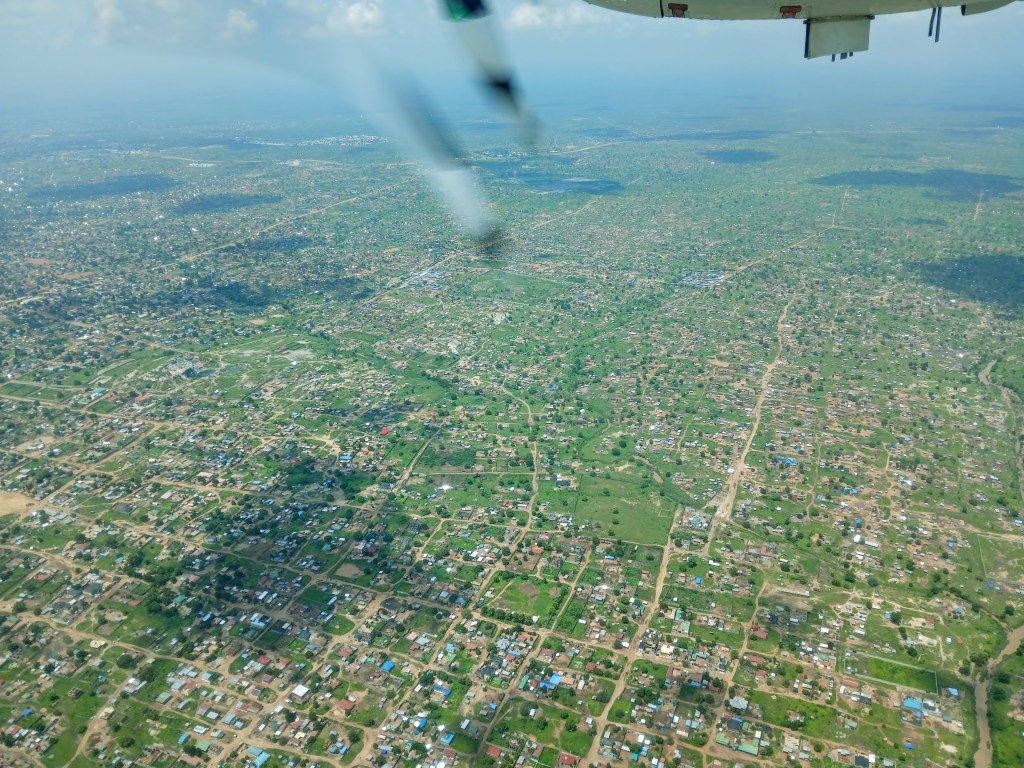
I landed in South Sudan in November 2023, after paying 200 USD for my visa, which was granted the same day (nothing like with Zambia — a story for another day). The landscape was green and hot, nothing unusual to my eyes. My enthusiasm was at its peak because I was discovering a new land, new communities, and a new reality.
I don’t recall thinking much about my first impressions of the country. I had heard many stories from people and friends who had been there, most of them negative. And if there’s one country where I’ve heard the harshest comments about its citizens, it’s South Sudan.
Luckily, my first encounter with South Sudanese people wasn’t in Juba, it was back in 2019, in Uganda, in a professional context. I had a different experience and, consequently, a different narrative about them. My take is this: the long and painful journey of the South Sudanese toward liberation and nationhood was only made possible through violence that eventually led to dialogue between conflicting parties. These are people who do not fear. They are confrontational, expressive, courageous and they care.
Has their history of violence, through which they gained independence from the Sudanese Government, shaped their behavior? I believe so. Our environment holds power to shape and determine our future, and South Sudan is no exception.
Back to my first day in Juba: I had the chance to move around with a driver I’ll call Cesar. Cesar was talkative enough for us to have a good conversation. One of my first observations was that the parking lots in town were filled with mostly new and trendy cars. I shared this with Cesar, and he replied, “We are a new country, so everything has to be new.”
In fact, for what it’s worth, South Sudan is known in East Africa as the land where you can get a great deal on cars — cheaper, newer, and often the latest models. I can’t tell you more about how this works, because I don’t drive, so my interest in the matter is limited.
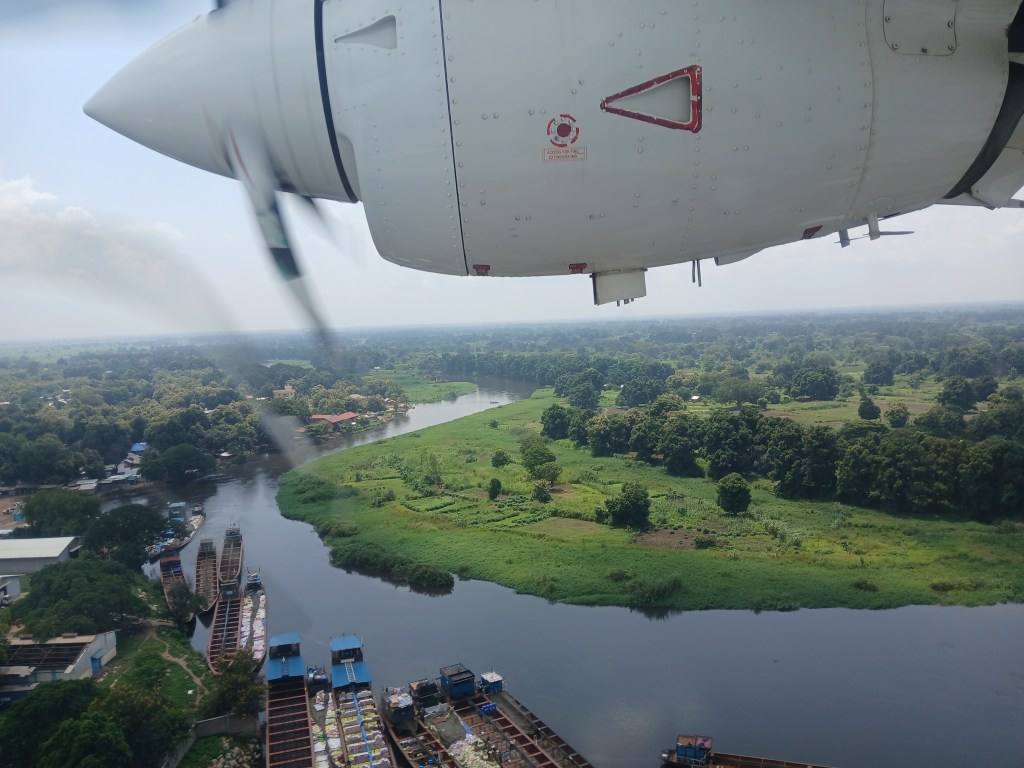
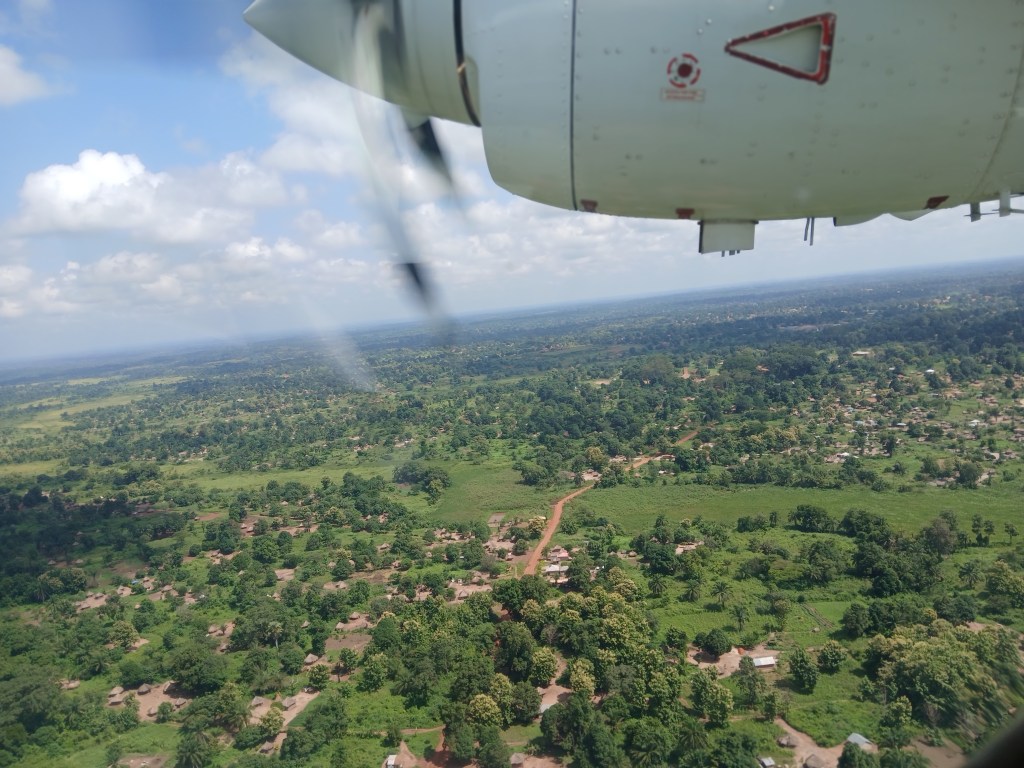
Let’s close the car chapter and return to the trip itself. The next day, I flew to West Nile State, specifically, Maban County. I was mesmerized by how green the land was, especially compared to the brown, dusty scenery of Juba, which might give a false impression of the country’s biodiversity.
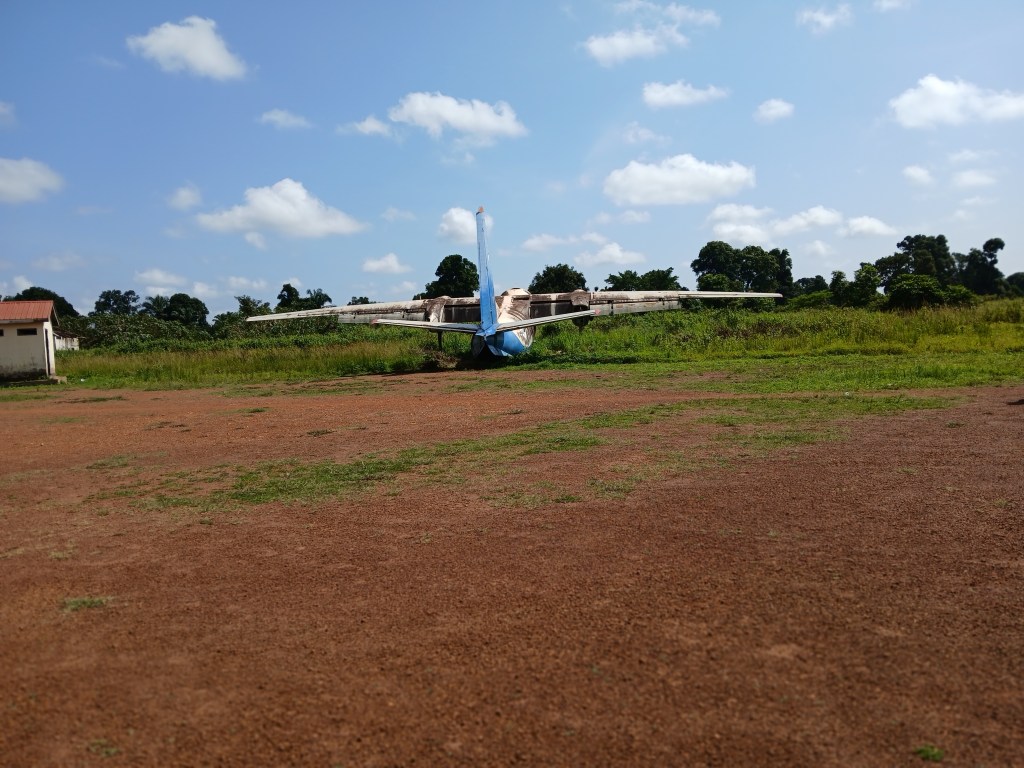
Upon landing in Maban, I had a feeling of déjà vu, though I couldn’t quite place it. As I was driven to the site where I was supposed to work, I saw a kind of river, more black mud than water, yet full of people fishing. I was thrilled — I love the idea of fishing — and I saw people carrying their catch of the day, wrapped around a wooden stick slung over their shoulders. I was told that these fish and waters come from the Blue Nile and that we were in the heart of the fishing season.
The following day marked the start of a conflict assessment I was leading, which lasted four days. I traveled to Doro, Gendrassa, and Batil, meeting members of those communities. Field trips mean field life. During breaks, we ate grilled meat (goat, beef, or chicken) in local eateries, with meat perfectly marinated and served with bread baked in charcoal ovens. That’s when my déjà vu finally made sense. This place reminded me of Goz Beida, a town in Chad. Arabic-speaking people, strong meat culture, and a great sense of community.
After completing my work, I flew back to Juba, where I still had two nights to spend before my departure. One of my colleagues, who had been in Juba longer, took charge of showing us the city, by night and by day.
From our night outings, I quickly understood that the nightlife economy was largely dominated by Kenyans and Ugandans. The restaurants and bars we visited were owned or managed by them. During the day, as is my habit, I asked to visit a cultural center to find souvenirs from the country. Guess what? My main interlocutors there were also Kenyans. I ended up buying a necklace that was clearly made in Kenya. There was nothing in the center that reflected or celebrated South Sudanese cultural diversity.
Looking back, I don’t recall being struck by anything particularly remarkable on that first trip. Perhaps, as it was the end of the year, I wasn’t fully present, I was tired. But my second trip was truly memorable. That, however, will have to wait for another publication.

 Cameroon Passport Diaries