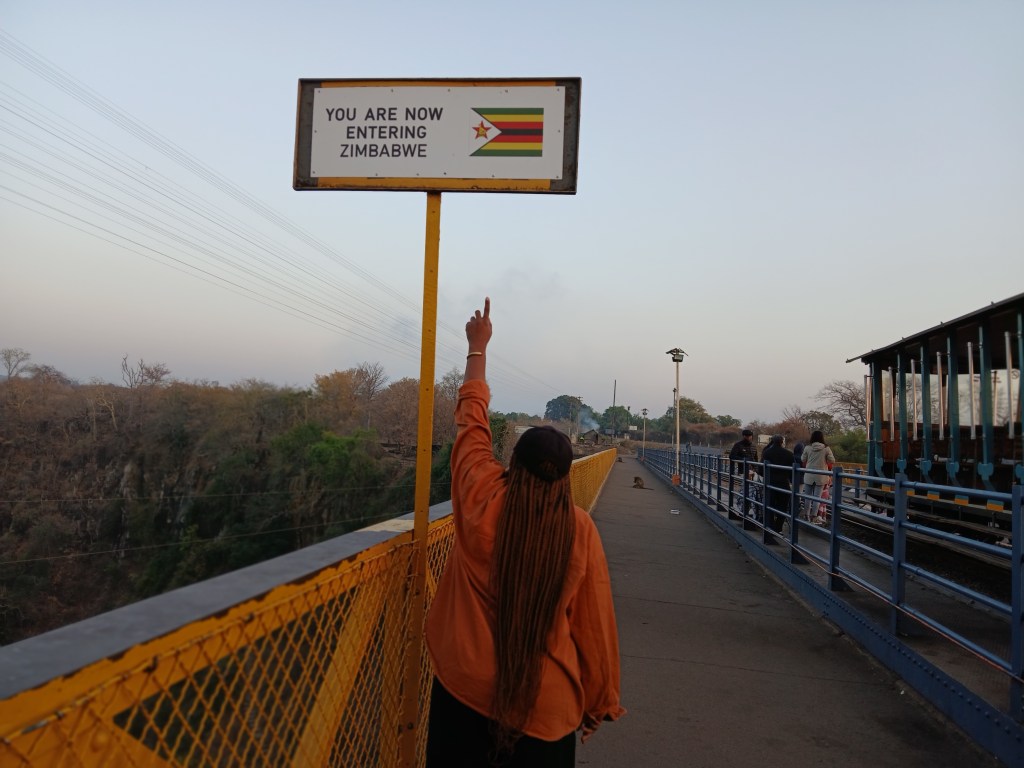
I can’t remember the exact moment that pushed me toward the decision to visit Zimbabwe. Since 2021, I have made it my mission to explore the Southern Africa region. A friend of mine, who carries Zimbabwe and Malawi in his bloodline, only deepened my curiosity to visit. And if you don’t already know, let me tell you — Zimbabweans are widely known for their intelligence and their strong presence in the academic world.
The moment I decided to go there for my annual leave, I was thrilled to discover that the visa process was entirely online. I opted for the double-entry visa at 45 USD, knowing I intended to visit a neighbouring country as well. From that moment, the adventure began.
The Visa Ordeal
I applied for the visa in June 2024. The portal indicated a maximum processing time of 14 days. I was not travelling alone, and my friend had been teasing me for years about my habit of doing things at the last minute when it comes to visa applications — so this time, I decided to get ahead of it. For once, I would be organised.
Two weeks passed. Nothing. I told myself I still had time, since our trip was planned for August. July arrived. Still nothing.
That month, I was on a work trip in South Sudan when I met an acquaintance from Zimbabwe. I shared my concerns about the slow processing, and he offered to contact the Zimbabwean embassy in Juba on my behalf to explore alternatives. Unfortunately, the embassy could not help — applying in person from that office was not an option.
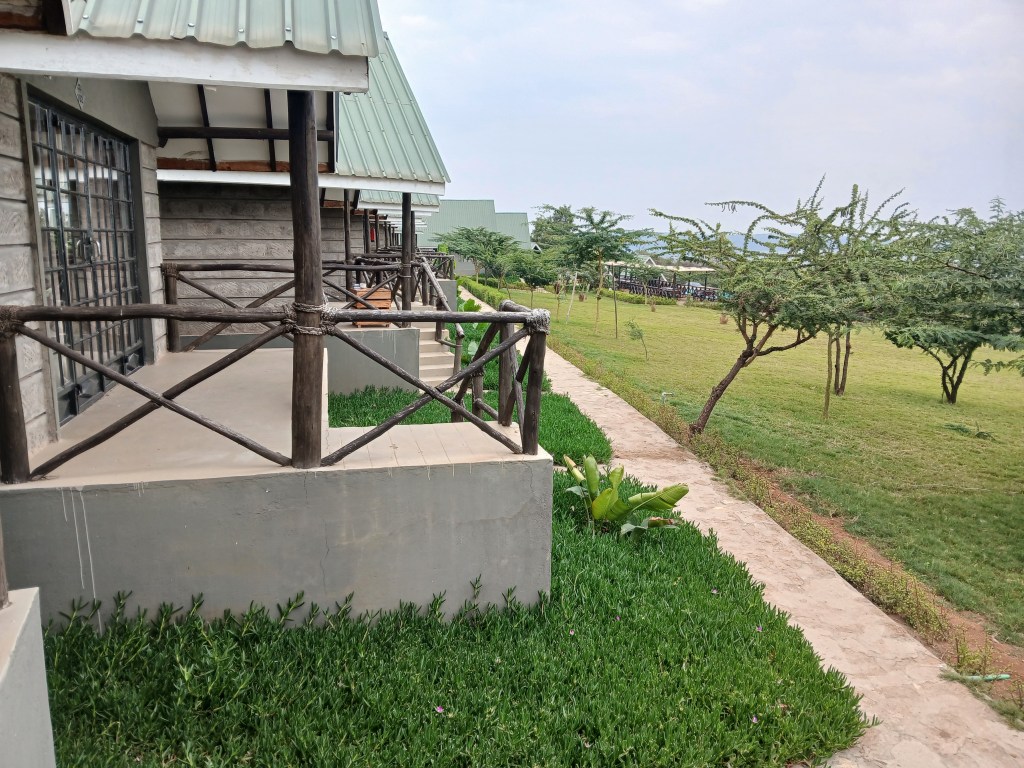
By the 25th of July, with my holiday starting on the 1st of August and my friend arriving in Harare on the 2nd, I was running out of time. I was spending the last five days before my trip in Kenya, where I discovered there was also a Zimbabwean embassy. I sent them an email explaining my situation and asking for guidance. They replied promptly, directing me to call the immigration office in Harare directly, and provided the phone contacts.
It was already the 29th of July.
I called the immigration office in Harare. When someone picked up, the officer on the other end seemed genuinely surprised — receiving a call from Kenya, from a Cameroonian, wanting to visit Zimbabwe. She listened attentively, took my application ID number, and asked me to call back in two hours. I felt a wave of relief. A solution was within reach. It was the 30th of July.
Two hours later, the immigration office called me back. Yes — they called me back. I was already elated. Unfortunately, I missed the call, and when I tried to return it, no one answered. I told myself it was the end of the working day, and I would try again in the morning.
On the morning of the 31st of July, I called back and reached the same officer. She asked me to share my WhatsApp number, through which she sent me the letter approving my visa application.
I had received my visa approval — one day before my trip. Nearly a month and a half after I had first applied.
I purchased my flight ticket from Nairobi to Harare just a few hours before departure, standing in the airport. As you can imagine, the cost was salty. A 3h30 direct flight, and I landed in Harare on the afternoon of the 1st of August, my heart full of joy.
Arrival: Another Test of Patience
Unexpectedly, while queuing at the immigration control desk, a police officer patrolling the lines approached me and asked to see my documents. A few minutes later, he asked me to follow him to an office.
Internally, I was saying: “Not again, God. Why can’t I simply fly to visit another African country? Why is it this hard, being African in Africa?”
I was growing visibly irritated, and the officer could see it on my face. He calmly explained that he needed to verify my visa approval letter against a physical logbook where all approvals are manually registered. My letter was dated the 31st of July, but when he checked that date, my name was nowhere to be found. We are talking about hundreds of entries to review. My patience was wearing thin.
He called a colleague, and together they began the process again, asking how I had obtained my letter. The second officer thought to check the previous dates — and there it was. My letter had been registered on the 30th of July. We all smiled, relieved, because none of us had enjoyed those tense minutes.
What turned the experience around entirely was what happened next. An agent who was already closing up for the day was assigned to accompany me to find a place to print my visa letter, which was on my phone. She was soft-spoken and patient. She explained the process and gently advised me to always print my approval letter in future, as it would make the verification go much faster. Not once did she show annoyance — something I would have completely understood, given that she was supposed to be heading home. She was warm, and she was gentle.
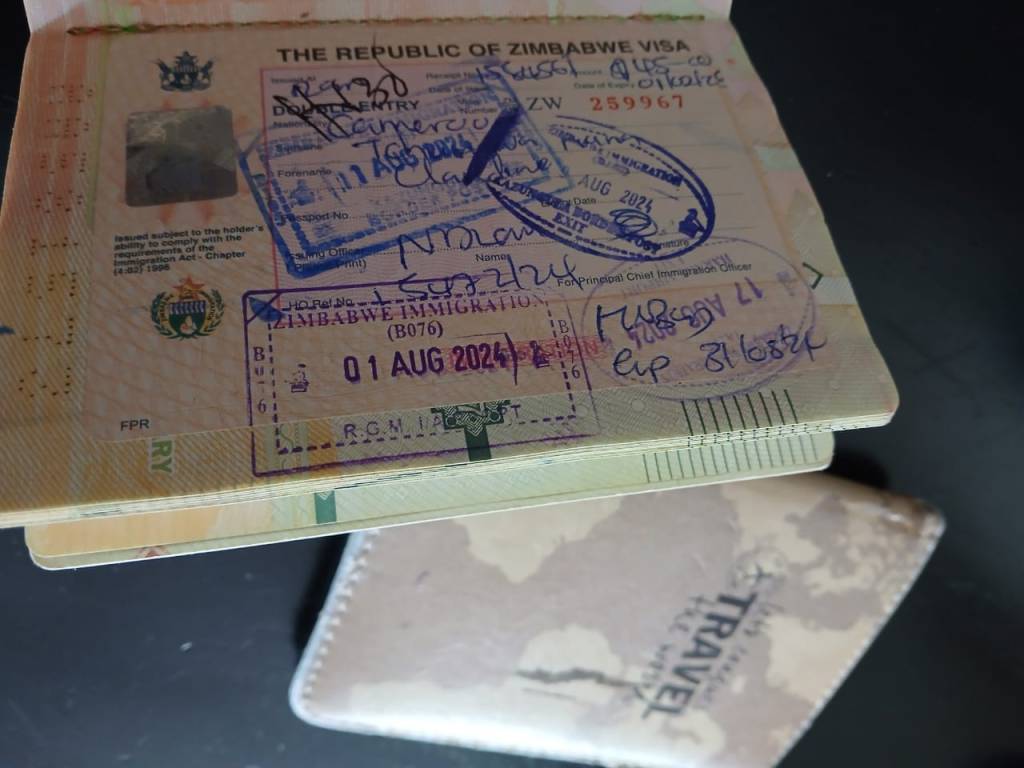
Long story short, I got the double-entry visa stamped in my passport and finally stepped out of the airport — my first breath of Harare air — after one hour and thirty minutes with immigration.
First Impressions of Harare
After picking up a local SIM card at the airport (which I highly recommend), I grabbed a cab and headed to my hotel. My first observation: Zimbabwe honours its heroes and stays connected to its history. Historical monuments lined the road, affirming the country’s identity. I was pleased to see it.
My accommodation was more of a guesthouse, located in Avondale — one of Harare’s recommended neighbourhoods. I appreciated the architecture, the way the building connected with the surrounding trees and flowers. Yet something about the place intrigued and unsettled me, though I couldn’t quite put my finger on what.
The next morning, as is my habit, I went for a walk through the neighbourhood while waiting for my friend to arrive. My second observation: the streets were unusually empty. I kept encountering gate men and cleaning staff, both of whom gave me a particular look. Drivers passing by seemed to stare as well. I only understood why the following day, after visiting the National Museum with my friend.
Zimbabwe is the most recently independent country in Southern Africa, having gained independence in April 1980. The disparity and mistrust between communities — Black and white — is still utterly visible. I was staying in a neighbourhood where the vast majority of residents were white, and the Black people I saw there were, in most cases, employed in the houses. So there I was, a Black person walking freely through the street without the social and economic markers typically associated with Black residents in that area. That explained the stares.
My third observation: restaurants and bars close remarkably early. Coming from West and East Africa, where nightlife is a way of life, it was a genuine shock to find establishments shutting by 10 or 11PM. When I shared this with a local driver, he connected it to COVID-19 — suggesting that the curfews imposed during the pandemic may have permanently reshaped people’s habits.
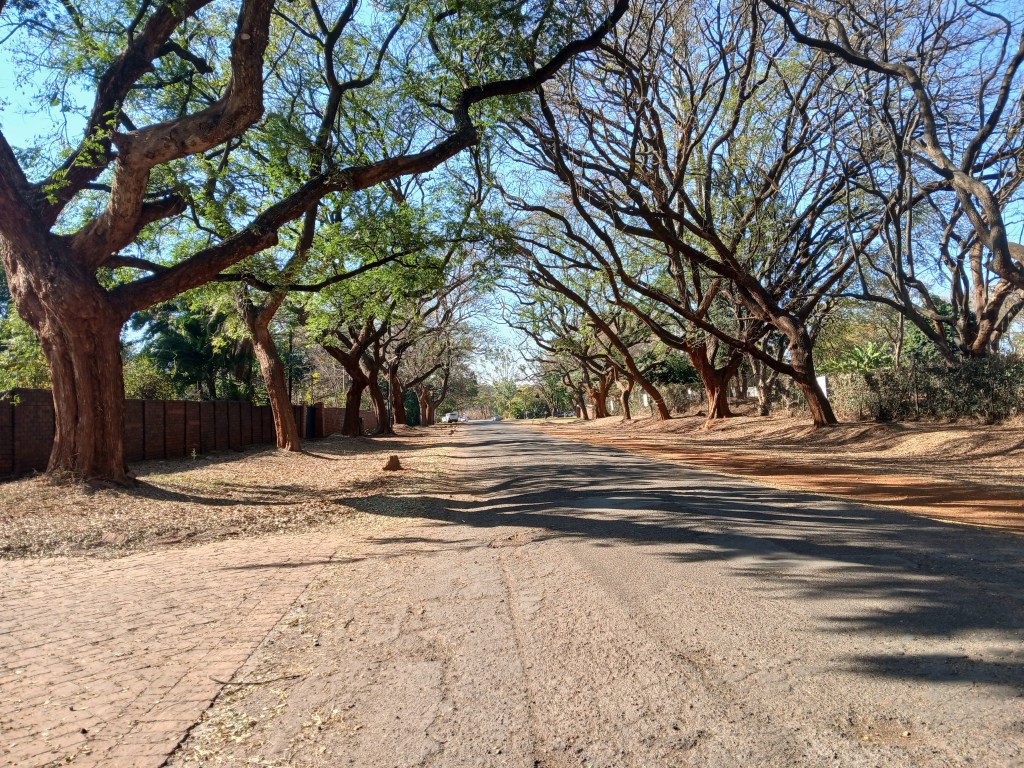
We later hired a cab to do a proper tour of the city, and it was one of the best decisions we made. Our driver, John — who drove taxis as a side hustle — was thrilled to show us around and share insights about the country. My fourth observation: Harare was built on a real urban plan. The streets are well laid out, the roads are lined with trees, and there are proper pedestrian pathways. These details alone make a city feel liveable and dignified. Harare is beautiful, and it is well organised.
Victoria Falls: The Road There
The most exciting chapter of our journey was still ahead. A few days into our stay, we took the bus from Harare to Victoria Falls town. The ticket cost us less than 15 USD each. We left the bus station at 6:30 AM, stopped in Bulawayo, and arrived in Victoria Falls town at 7:30 PM. It was an experience I will not forget — though the last stretch of road before reaching Victoria Falls was truly awful.
My ultimate recommendation: if you are visiting Victoria Falls, TAKE A FLIGHT, until that road is fixed.
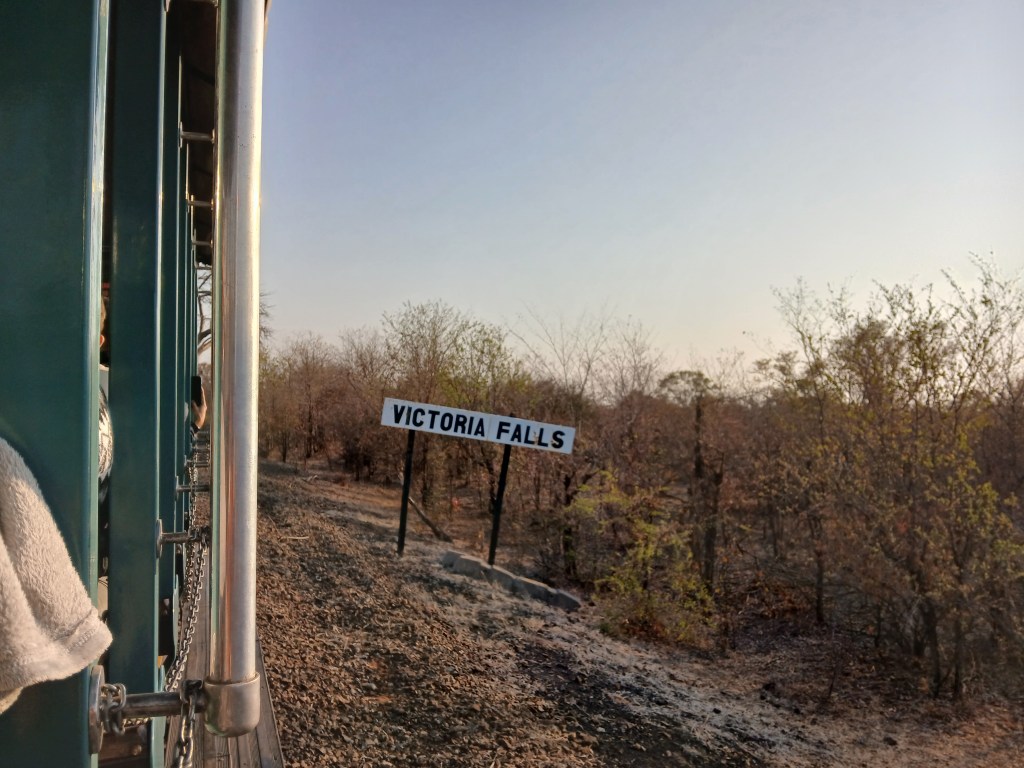
I’ll pause here for now, because Victoria Falls deserves a full article of its own.
But as you have read from the very first lines of this piece, travelling as an African within Africa remains a challenge. And yet, for those of us passionate about intra-African tourism, we carry that burden willingly — because every story like this one is proof that it is worth it.
Next up: Victoria Falls — the chapter that took my breath away.

 Cameroon Passport Diaries